
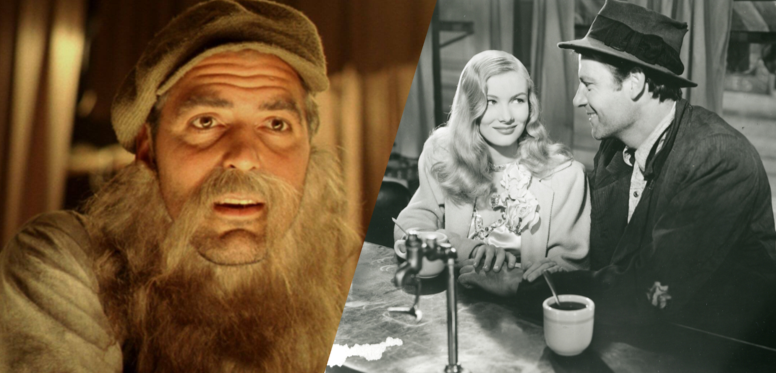

O Brother, Where Art Thou (2000) and Sullivan's Travels (1941)

Nathan McBride
Two thoughtful, offbeat comedies with a unique link.
O Brother, Where Art Thou? (2000; Hulu)
Three escaped convicts chase riches and salvation amidst quirky encounters on a Depression-era odyssey back home. This is literally an “odyssey”—it’s based on Homer’s Odyssey. In the Great Depression South. With George Clooney. I wasn’t sure what to make of it at first, because it was a comedy, sometimes pretty cartoony in its humor, but it was top-notch film quality (from impressive directors) and oddly intellectual. A smart comedy, but no less goofy for this. And oddly, the film is genuinely redemptive, both spiritually and socially, as the protagonists navigate faith, race relations, and much more. Great music, too—a lot of songs taken directly from the time period the movie is set in. Get ready for some dancing!
For sensitive viewers: This movie is PG-13. Frequent language. Suggestive dialogue following a rather clean encounter with three “sirens.” Violence toward an animal.
Sullivan’s Travels (1941; Daily Motion, part 1 and part 2)
A Hollywood comedy director (Joel McCrea) wants to make a drama called O Brother, Where Art Thou about real struggles in the real world—but he knows nothing about the real world, so he goes out as a hobo to try to find it. Yes, that’s the same title the Coen brothers used for our first movie, which makes several references to Sullivan’s Travels. It might not make you laugh out loud, but it’s heartfelt, and the plot takes some effective, unexpected turns. It finds its way to the depths of poverty without leaving us there, and its “message” about meaningful film ends up quite different than Sullivan thought.
In black history, this movie holds a unique place. The head of the NAACP (National Association for the Advancement of Colored People) wrote a letter thanking director and writer Preston Sturges for a scene near the end of the movie. It’s in a black church, and the people there are just normal people—unique, understated, intelligent and caring. Perhaps like cinema, social representation doesn’t have to have a “message” on a “social topic” to be meaningful—it just has to be honest and kind. But when, like these films, it chooses to engage with some hard truths about society, with nuance and hope, I say all the better.
For sensitive viewers: Some PG-level violence, details here.
Nathan’s Writing Update
This week I finished a short story. It’s about a woman who works as an airport passport checker but doesn’t like her job. Then she has dinner with a long-time friend and they talk it out. My writers group helped me fix an earlier draft by removing some extra narration at the beginning and adding more closure. If all goes as planned, the story will appear in this year’s issue of our literary magazine, Fathoms. :)