Hugo (2011) & Sherlock, Jr. (1924)

Nathan McBride
Two astounding films about discovery—at the movie theater! 📽
Hugo (2011; MGM+ or your library)
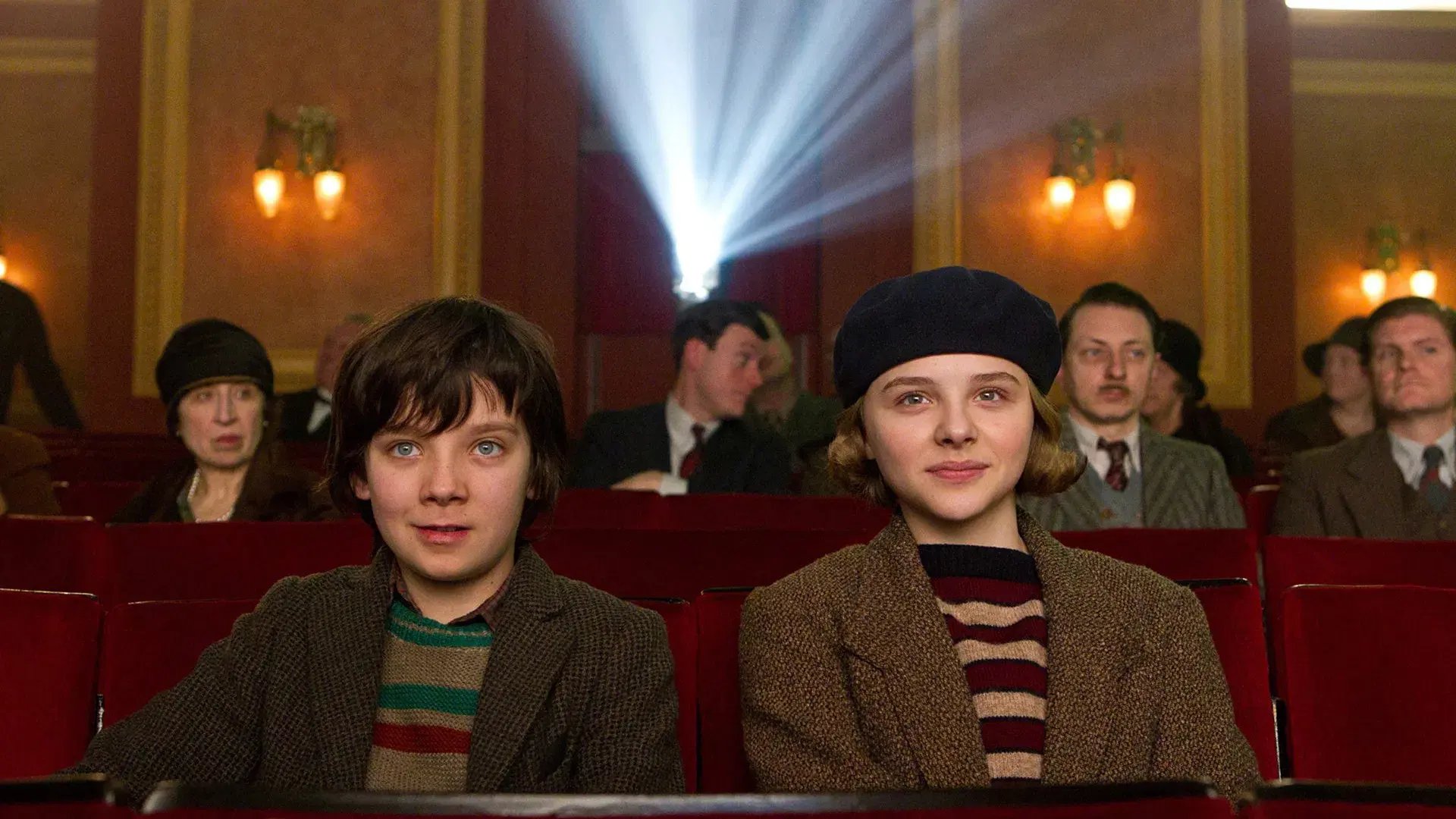
A clandestine orphan boy (Asa Butterfield) tending the clocks of the Paris train station meets a stern toymaker (Ben Kingsley) whose charming goddaughter just might have the cure for his loneliness—and his mysterious roommate. Martin Scorsese wanted to make a movie that his thirteen-year-old granddaughter could watch. The result is a masterpiece of cinematography and acting. The story is constantly surprising, like a magic trick. It is a treat for the mind and heart.
It is also a treat for the movie or history nerd. The interwar setting (between World War I and World War II) allows for some very engaging set design and costuming. It is set in the era of silent film, an era we seldom revisit nowadays. Scorsese advocates for film preservation, and this movie is a love letter to the earliest days of cinema.
In short, a delightful coming-of-age story about creativity, family, and film, with unforgettable characters—including some surprising familiar faces, like the great Christopher Lee in one of his final roles.
For sensitive viewers: A character dies in a fire in a flashback. A couple of surreal nightmares. Mild innuendos in a couple of dialogues involving adults. Smoking and drinking.
Sherlock, Jr. (1924; free on Internet Archive and YouTube)
An unlucky beau (Buster Keaton) dreams that he is a famous movie detective—literally—and finds himself in the middle of a mystery on screen and in life alike! This film is a masterpiece of comedy and cinematic experimentation. Buster Keaton was one of cinema’s earliest lasting funny men, alongside Charlie Chaplin, Harold Lloyd, and Laurel & Hardy. He got his nickname from growing up in the circus, where he learned to take a fall (a “buster”) without injuring himself. In his films, he spares no apparent danger to surprise us with his cinematic magic tricks. Of all his comedies, this one is special, because the connection between illusionist and filmmaker becomes explicit as his character wanders into the silver screen itself.
This is my first silent film to recommend in this blog. The nice thing about silent films is that they are often available online for free—on YouTube or Tubi, you can find plenty of great, clean films, short and long, by all of the comedic stars I just mentioned. The bad thing about silent films is that they are silent. Sometimes this means they get released with a digital music track that sounds like a cheap synthesizer; other times, they get quality orchestral treatment. As for me, I prefer them truly silent—on mute, as they were made. They’re great to watch while you work out on a loud treadmill! No earbuds required.
Starting out on silent film can feel like dipping your toes in cool water. Where’s the sound? But film developed so much in its first three (silent) decades that, by the time you get to Buster Keaton in the 1920s, a good silent film can speak as loudly to your funny bone, your wonder, your heart as anything released now. And as an added bonus, you don’t need to set aside 90 or 120 minutes to watch it; films of all lengths were popular back then, so Sherlock, Jr is just 45 minutes long. The perfect length to watch over a meal or an exercise routine or a partial evening with family. Enjoy.
For sensitive viewers: Some cigarette smoking.
Nathan’s Writing Update
I’m almost done with my chapter on Frozen. I just have to write the final section on how it employs the same ironic-distancing-plus-love technique as the novels of Jane Austen. But first I need to work on some other job things… Meanwhile, my new project on Jesus’ three temptations is blossoming without effort! But it’s exam season, so all these will need to be put on a brief pause.
In other news, a German professor at my university has kindly acquiesced to share her German Film course materials with me, so I can teach myself a small introduction to German film! I know nothing after that great silent filmmaker Fritz Lang, so this will be a treat. 😊