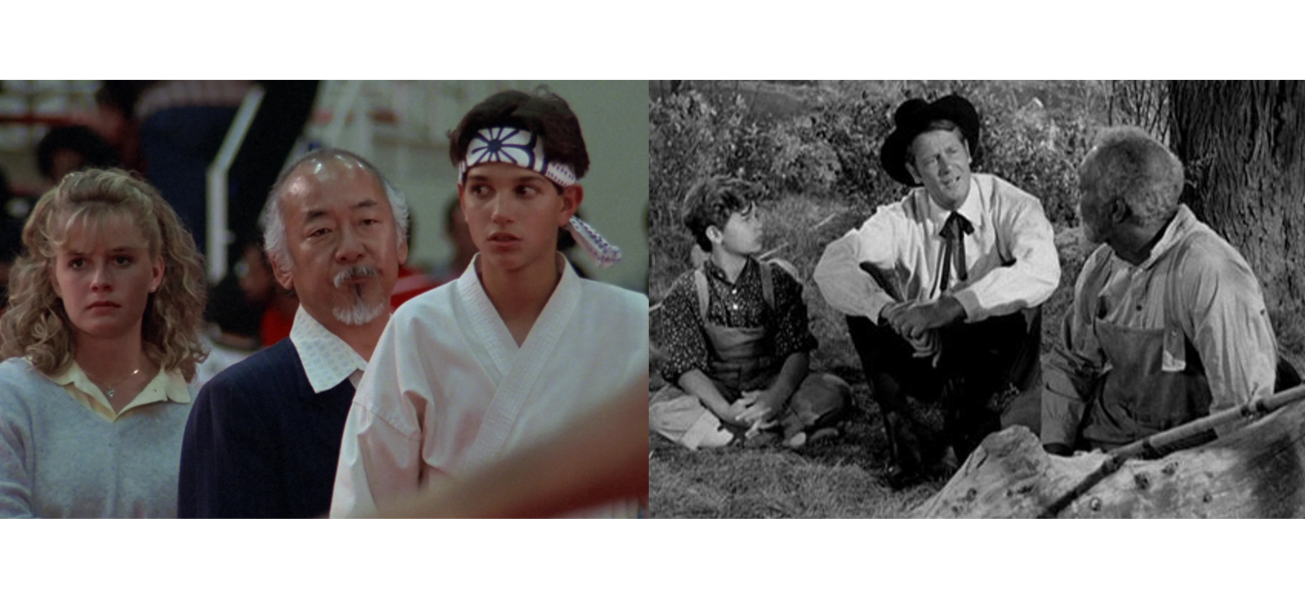


For Veteran’s Day, two of the greatest films of all time about war—and peace.
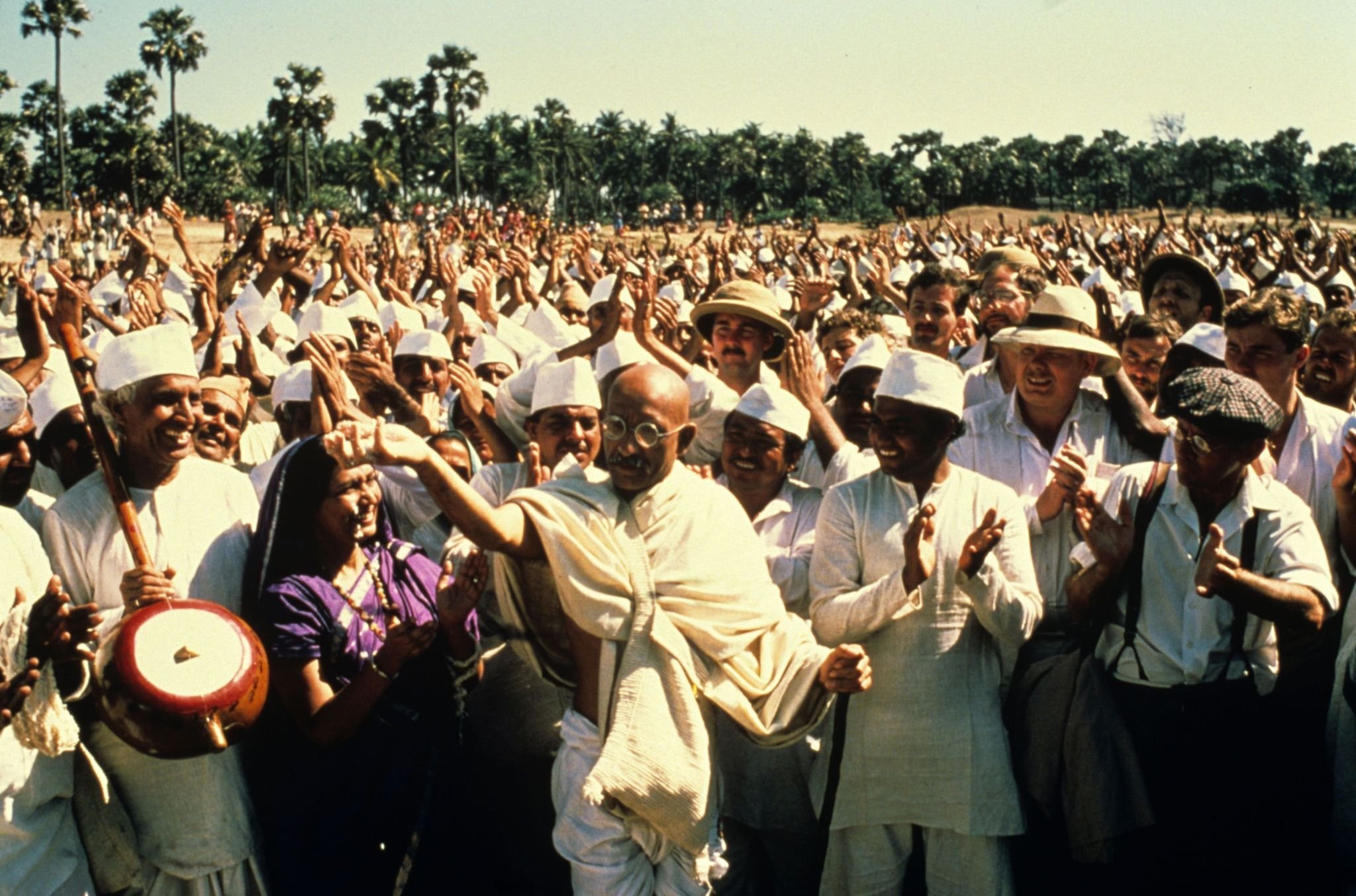
Gandhi (1982; YouTube, Sony Pictures Core)
The amazing real-life story of how Indian peace activist brought lasting change to South Africa, India, and the whole world. For a few years, this was my favorite movie. The shocking opening scenes, the cinematography, the epic scale, and the decades of history and complex politics are all grounded in character. The movie has heart before it means anything, and that makes it all the more meaningful.
This movie won eight Oscars—writing, cinematography, directing, best actor... The great Indian-British Ben Kingsley shines in his first screen role—as Gandhi himself. Director Richard Attenborough wanted to make this movie for two decades, but no one would fund him until he had more moviemaking experience. I think that was a good call—you don’t make a great epic as your first film (just as Peter Jackson). This movie demonstrates a wholly mature storytelling that somehow translates the big picture into a compelling movie.
Rewatching this film, one subconscious trick I’ve noticed is how Attenborough always keeps a white person around. They come and go, but there’s always a curious white European observing and befriending Gandhi. I think this really works for those of us who are also white European-Americans. It makes us feel like we belong in the story, too.
A movie about a pacifist may seem an odd choice for Veteran’s Day. I recently attended an annual Gandhi lecture where I learned that he explicitly supported the British ordinance to draft Indians in World War I (this is briefly mentioned in our movie). One Indian attendee observed that, today, approval ratings for Gandhi in India are at an all-time low. The way he treated his wife and those around him were not always great. The consensus ended up being that his support for the draft—to show the British that Indians are equal citizens—was a sort of “striving”— extreme self-discipline of taking suffering upon yourself. Is self-harm—or recommending such harm to others—really pacifism? For me, this started to help make some of the historical events in this movie make sense. Gandhi is complicated, and to some extent, so is this movie. But the movie takes the best from this great man’s life, without entirely avoiding his foibles—and it’s truly inspiring.
For sensitive viewers: Some intense scenes of racial or ideological conflict and death. No gore. I think it would be rated PG-13 today.
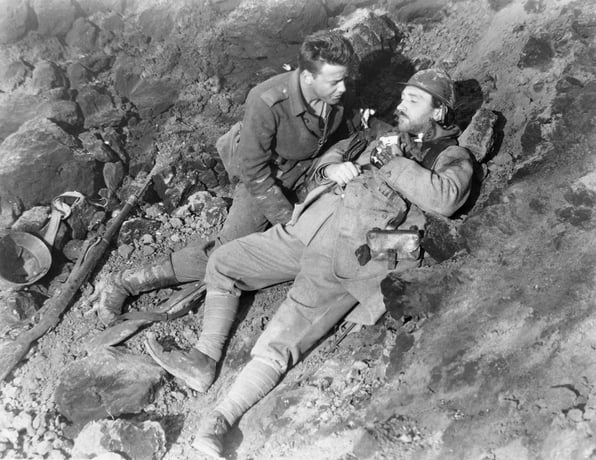 All Quiet on the Western Front (1930; Internet Archive, Tubi, YouTube)
A German class of high school students joins the Great War and soon discovers it’s not all fun and games. This may be the greatest World War I movie of all time. From the early days of talking pictures, this movie is stunning. The camera moves. The sound effects are emotionally precise. The script is worth the talking.
It is a powerful experience to empathize with German characters experiencing a war where “we” fought on the other side. It is heart wrenching to experience trench warfare vicariously. I recently watched Peter Jackson’s (not family friendly) documentary about World War I, composed entirely of real footage and veterans’ narration. Pete observed in an interview that one thing he doesn’t like about most WWI films is that they leave out the fun. Yes, trench warfare was horrible; but the men had a sense of humor. They couldn’t survive otherwise. I think this movie captures the joy of the break times, with human characters, and this makes the drama so much more compelling.
For sensitive viewers: Characters die and experience moral crises. It’s war.
A Personal Story
I was standing in line at the doctor’s this week, to check out after a routine check-up. A lady ahead of me was telling the secretary behind the counter about her son:
Mother: My son’s in the Navy. He’s stationed in the South China Seas. Right now they’re refitting his vessel.
Secretary: Is he on an aircraft carrier?
Mother: No, his vessel is fitted to blow up objectives.
Secretary: I ask because my daughter is in the Navy. She’s on an aircraft carrier. She’s based in San Diego.
Mother: My son’s based in San Diego, too. But they’re about to send him off.
Secretary: To the Emirates?
Mother: Yes, to the Straits. He hasn’t come out and told us yet, but he’s been hinting at it. That’s why they’re refitting his vessel.
By now it was obvious that I was listening in on the conversation, so the mother was looking back and forth between the secretary and me as she continued. She looked grateful for our compassionate attention.
Mother: If you think about it, send up a prayer for him.
Secretary: I will.
She told us her son’s name as she left. A minute later, I realized I had already forgotten it.
There is One who knows his name.